
US Treasury Secretary Scott Bessent Indicates a New Focus on Iran's Crypto Access
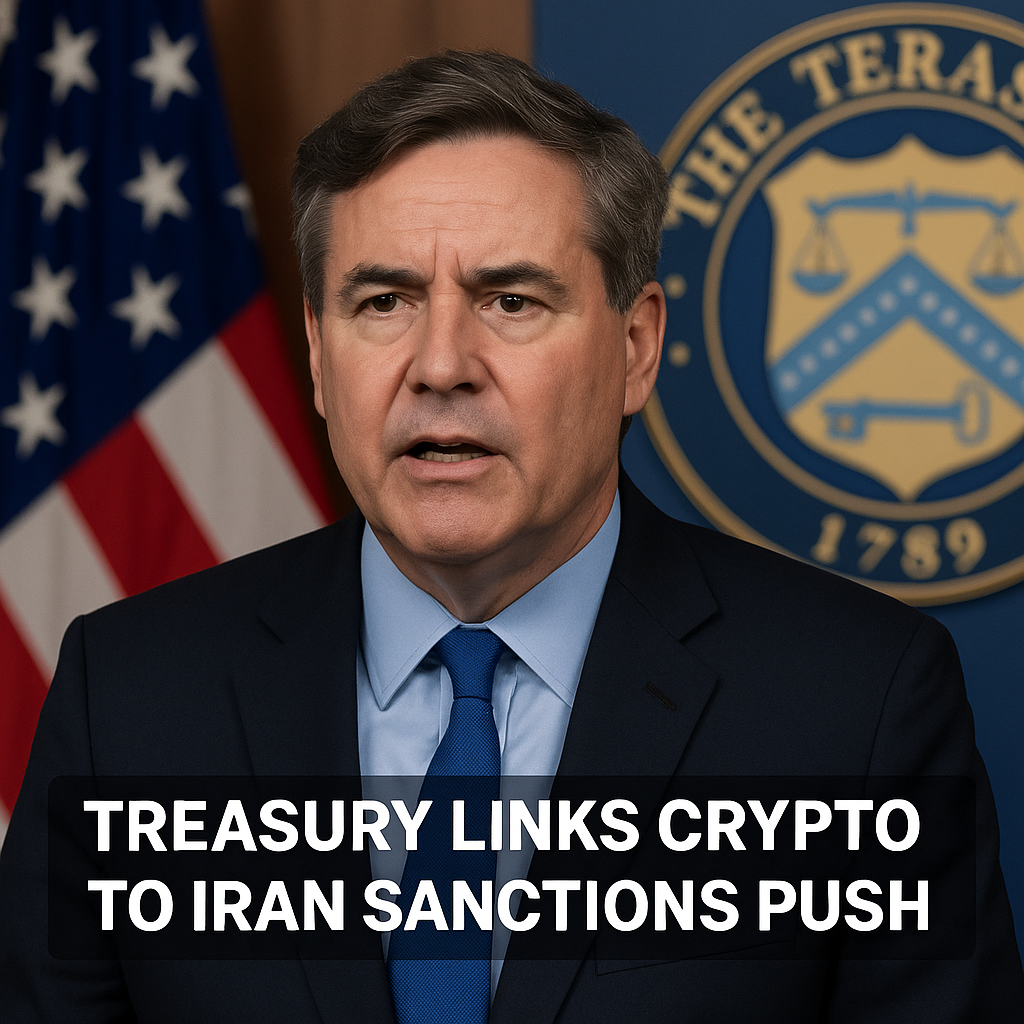
On April 29, US Treasury Secretary Scott Bessent announced on X that the government's sanctions efforts are now targeting Iran's access to cryptocurrency, in addition to oil exports, shipping networks, and shadow banking. This marks the first time the Treasury has specifically mentioned digital assets in relation to its campaign against Iran, placing cryptocurrency at the heart of a geopolitical conflict that has been impacting Bitcoin's price for several weeks. In his statement, Bessent highlighted that the Treasury's initiative, termed 'Economic Fury', is aimed at dismantling Iran's shadow banking systems, cryptocurrency access, weapon procurement networks, and the 'teapot' refineries in China that are purchasing Iranian oil. He noted that these measures have disrupted 'tens of billions of dollars in revenue' that could have financed terrorism, pointing out that Iran's Kharg Island, the key oil export terminal, is nearing its storage capacity, which could lead to production cuts of approximately $170 million daily. While the mention of cryptocurrency stood out, it signifies a shift in sanctions enforcement, which historically concentrated on banks, oil traders, and shipping firms. Integrating digital assets with shadow banking and arms procurement suggests a belief by the Treasury that cryptocurrencies are being utilized in significant trade transactions rather than just minor monetary transfers. Market analyst Shanaka Anslem Perera reported that the latest actions targeted 35 individuals and entities under previously established executive orders, including UK-based Shuqun Ltd., which allegedly transferred over $70 million in Iranian crude, and Fratello Carbone Trading Limited, which was Linked to over $20 million in transactions. The total number of Iran-related entities under Economic Fury has exceeded one thousand since February 25. Perera interpreted Bessent's message as a broader warning aimed not just at Tehran, but also at any global banks, exchanges, or intermediaries handling Iranian transactions. In recent developments, reports earlier this month indicated that Iranian officials were seeking Bitcoin payments for ships navigating the Strait of Hormuz, leading to Bitcoin experiencing a price surge from approximately $68,000 to nearly $73,000. The situation evolved further with a new peace proposal from Iran via Pakistani intermediaries, momentarily elevating Bitcoin to a 12-week high of nearly $80,000 before a sharp decline. Recent comments from Trump regarding Iran's 'state of collapse' have driven oil prices above $100 per barrel and prompted Bitcoin to drop below $76,000. These price fluctuations exemplify the increasing correlation between cryptocurrency markets and geopolitical events, energy supply issues, and sanctions policies. If the US effectively disrupts crypto transaction channels linked to Iranian trade, it could reduce alternatives to sanctions; however, persistent alternative methods may simply divert transactions from the dollar system towards the yuan or digital currencies.
Leave a Comment