
Elliott Gains More from Toyota's Buyout Deal than Governance Enhancements
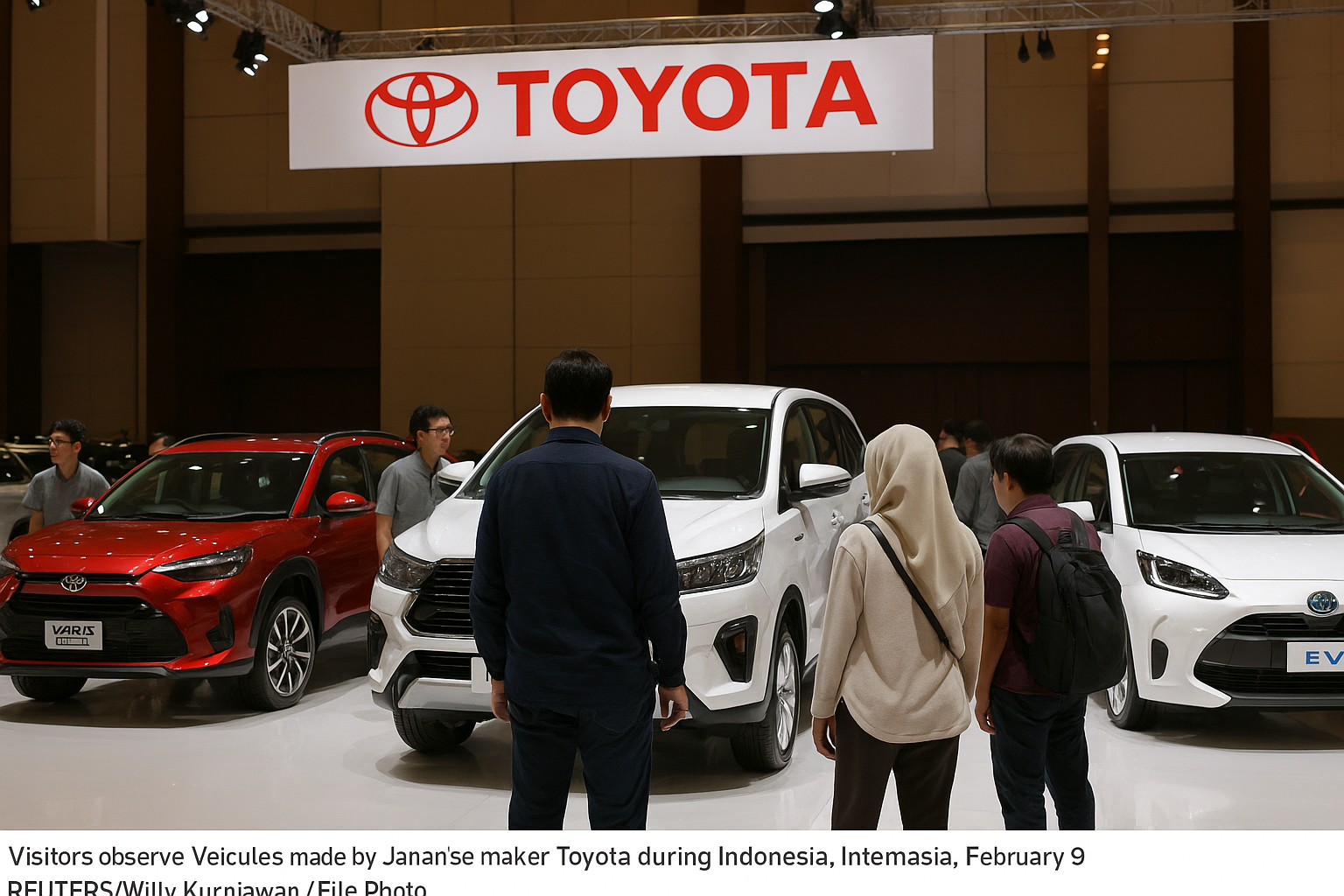
During the Indonesia International Motor Show 2026 in Jakarta, attendees examine vehicles from Toyota, the renowned Japanese automaker. On March 3, 2026, Toyota (7203.T) announced a revised offer for its group company Toyota Industries (6201.T), which has been regarded as a significant success for activist fund Elliott Investment Management. Elliott, which had advocated for a higher bid for several months, now sees a portion of its goals met with the improved offer of 20,600 yen ($131) per share, amounting to a total valuation of $30 billion. However, analysts caution that this revision does not resolve foundational issues concerning fairness to minority shareholders, particularly as Chairman Akio Toyoda stands to gain personally. While Elliott had previously deemed an offer of 18,800 yen too low and asserted the shares were worth approximately 26,134 yen each, the buyout is framed as a strategy for TICO, a crucial Toyota supplier, to transition toward advanced mobility technology without the burden of short-term profit expectations. The original offer of 16,300 yen per share, presented in June, faced backlash from minority investors for being undervalued and lacking transparency, prompting external complaints to the Tokyo Stock Exchange regarding governance improvement efforts. Amar Gill from the Asian Corporate Governance Association acknowledges that while the upwardly revised offer is better for minority shareholders, various governance concerns persist, especially regarding the classification of group companies as independent minority shareholders and transparency surrounding synergies. Although TICO has since provided additional financial disclosures and met with investors to ensure transparency, the concerns linger. Furthermore, the buyout will see Toyoda increase his stake in TICO, raising it from 0.05% to 0.5%, solidifying his influence. A London-based investor described the offer as 'inadequate,' yet feared that, following Elliott's involvement, there might be little choice but to accept the bid. While there have been improvements in governance practices in Japan, consistent with advancements experienced over the past decade, several shortcomings in the deal still impede benefits for minority shareholders. For the bid to proceed, acceptance from 42.01% of shareholders classified as minority owners, excluding Toyota Motor's 24.66% stake, is required by March 16. The controversy also extends to the classification of certain parts makers and trading companies as independent minority shareholders, a decision defended by Toyota Fudosan. Nonetheless, observers like Julie Boote, an auto analyst at Pelham Smithers Associates, stress the need for continued efforts in safeguarding minority shareholder rights within Japanese corporate governance reforms. Ultimately, the proactive approach taken by TICO to engage with investors is underscored as a positive development that should be emulated in future cases.
Leave a Comment